

Famous Temples in Maharashtra: History, Architecture and Visitor Highlights
Explore Maharashtra’s most iconic temples, their legends, architectural styles, and practical tips for pilgrims and tourists visiting these spiritual landmarks.
Maharashtra boasts a rich tapestry of temples that blend mythology, art and regional history. Discover the top pilgrimage sites, their unique features and how to make the most of your visit.
Maharashtra temples, Shirdi Sai Baba, Trimbakeshwar, Bhavani Shankar, Haji Ali, Pilgrimage guide, Indian architecture, Religious tourism, Maharashtra travel, Spiritual destinations
Introduction
This guide highlights Maharashtra’s most famous temples, offering insight into their origins, architectural highlights and visitor information. It is useful for pilgrims, history enthusiasts and travelers seeking authentic cultural experiences.
1. Shirdi – Shri Sai Baba Temple
Located in Ahmednagar district, the Shirdi Sai Baba Temple attracts over 20 million devotees annually, making it one of India’s busiest pilgrimage centres. Built in the 1920s, the complex combines simple stone structures with a modern marble sanctum that houses the saint’s original wooden “Dwaj” (staff). Daily rituals include the Udi (ash) offering and the evening Aarti, which draws crowds from across the country.
For visitors, the temple provides free accommodation in the “Sai Bhakts’ Dormitory” after registration on sai.org.in. A single‑day pass for the Darshan Hall costs ₹30, and the site offers wheelchair‑friendly pathways and guided audio tours in multiple languages.
2. Trimbakeshwar – Jyotirlinga Temple
Situated near Nashik, Trimbakeshwar is one of the twelve Jyotirlingas, revered as a manifestation of Lord Shiva. Constructed in the 18th‑century Maratha style, the temple features a towering 30 m spire (shikhara) and a sanctum that houses three lingas representing Brahma, Vishnu and Mahesh.
The temple precinct also includes the sacred Guruvani (water tank) fed by the source of the Godavari River. Pilgrims often perform a ritual bath before entering the inner sanctum. Ticketed entry for the museum (housing ancient Shivalinga replicas) is ₹50, while the main worship area remains free.
3. Bhavani Shankar – Pandharpur Temple
Dedicated to Lord Vithoba, the Pandharpur temple is a focal point for the Warkari movement. The current structure, rebuilt in 1977 after a fire, blends traditional Hemadpanthi stonework with a 12‑metre high brass dome. The deity is depicted standing on a brick platform, a pose unique among Vishnu temples.
Each year, the Ashadhi Ekadashi procession draws over 5 million devotees who walk hundreds of kilometres from across Maharashtra. For travelers, the temple offers a free stay at the Vithoba Bhakt Niwas for registered pilgrims; advance booking can be made through the Maharashtra Tourism official portal (maharashtratourism.gov.in).
4. Haji Ali Dargah – Mumbai’s Sea‑Side Shrine
Although technically a dargah, Haji Ali is a syncretic site visited by Hindus and Muslims alike. Situated on a rocky islet off the Worli‑Bandra Sea Link, the white marble shrine was constructed in 1591 and is accessed via a 500‑metre causeway that becomes submerged at high tide.
Visitors must respect the dress code (no shorts or sleeveless tops) and remove footwear before entering the inner sanctum. The site remains open from 6 am to 9 pm, with free entry; a small donation box supports maintenance of the surrounding sea‑wall.
5. Grishneshwar – Twin Jyotirlinga Temple
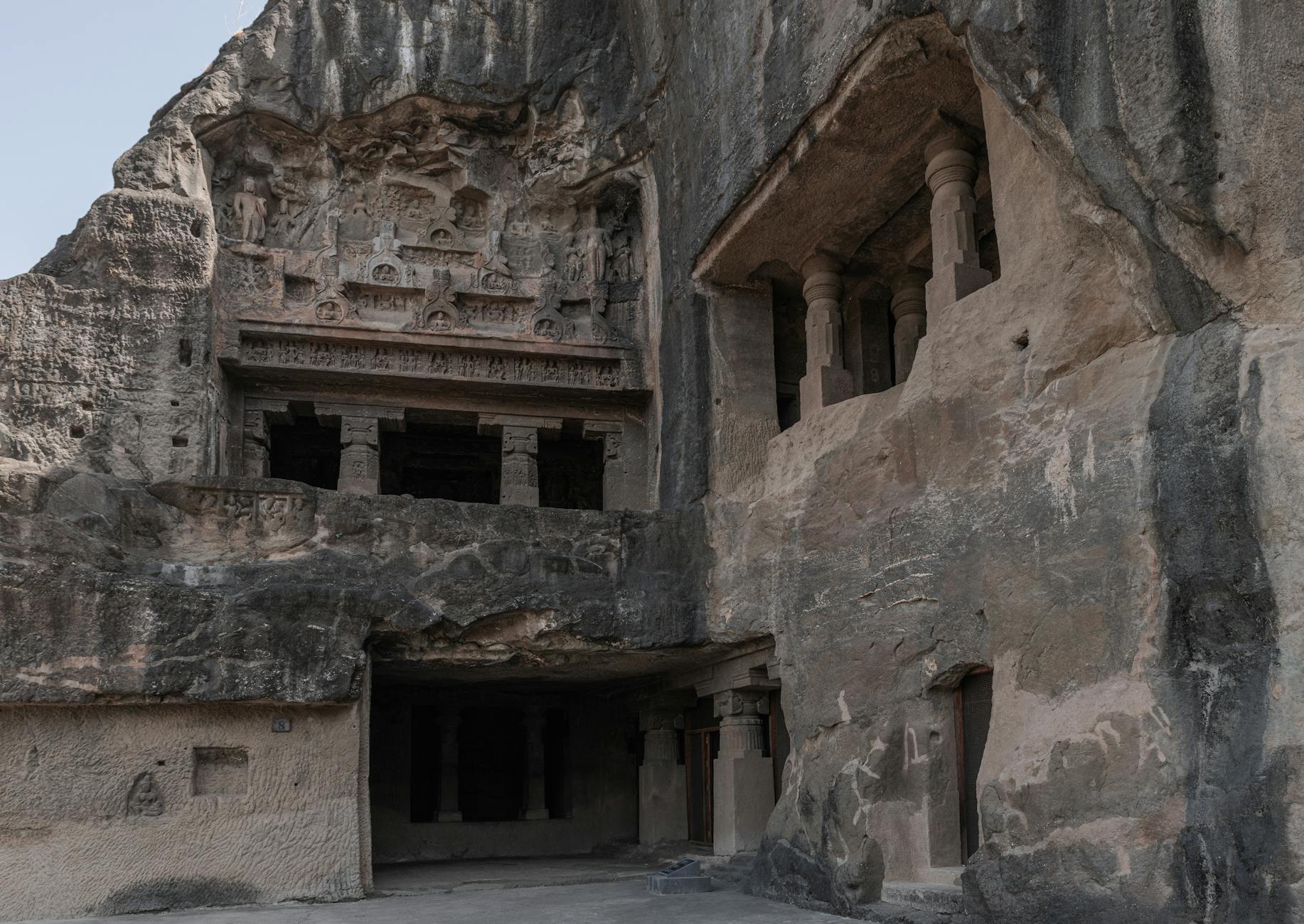
Located near the UNESCO‑listed Ellora Caves, Grishneshwar is the last of the twelve Jyotirlingas and the second most-visited after Trimbakeshwar. The present temple, rebuilt after a 1991 fire, showcases classic Maratha architecture: a deep mandapa, intricately carved pillars and a gold‑plated shikhara rising 40 m.
The temple complex includes a spacious courtyard for the daily Abhishek ceremony where the lingam is bathed in water, milk and honey. Admission is free, but a modest security fee of ₹10 per adult is collected at the gate.
Practical Tips for Visiting Maharashtra’s Temples
- Timing: Most shrines open at 5:30 am and close by 9:00 pm; early morning visits avoid crowds.
- Dress code: Modest attire (covering shoulders and knees) is mandatory at all major temples.
- Transport: Use Maharashtra State Road Transport Corporation (MSRTC) buses or Maharashtra Railway (e.g., Mumbai‑Nashik rail) for economical travel.
- Accommodation: Government‑run pilgrim hostels can be booked online via mahabhrat.gov.in. Private hotels are plentiful near major sites.
- Health: Carry bottled water and a small first‑aid kit, especially when walking long pilgrimage routes like the Warkari yatra.
Conclusion
Whether you seek divine blessings, architectural marvels, or a glimpse into Maharashtra’s cultural heritage, the state’s famous temples offer a rewarding experience. Plan your itinerary, respect local customs, and you’ll leave with memories that blend spirituality and history.