

Flat, Chawl, or Redevelopment: What’s the Difference and Why It Matters in 2026
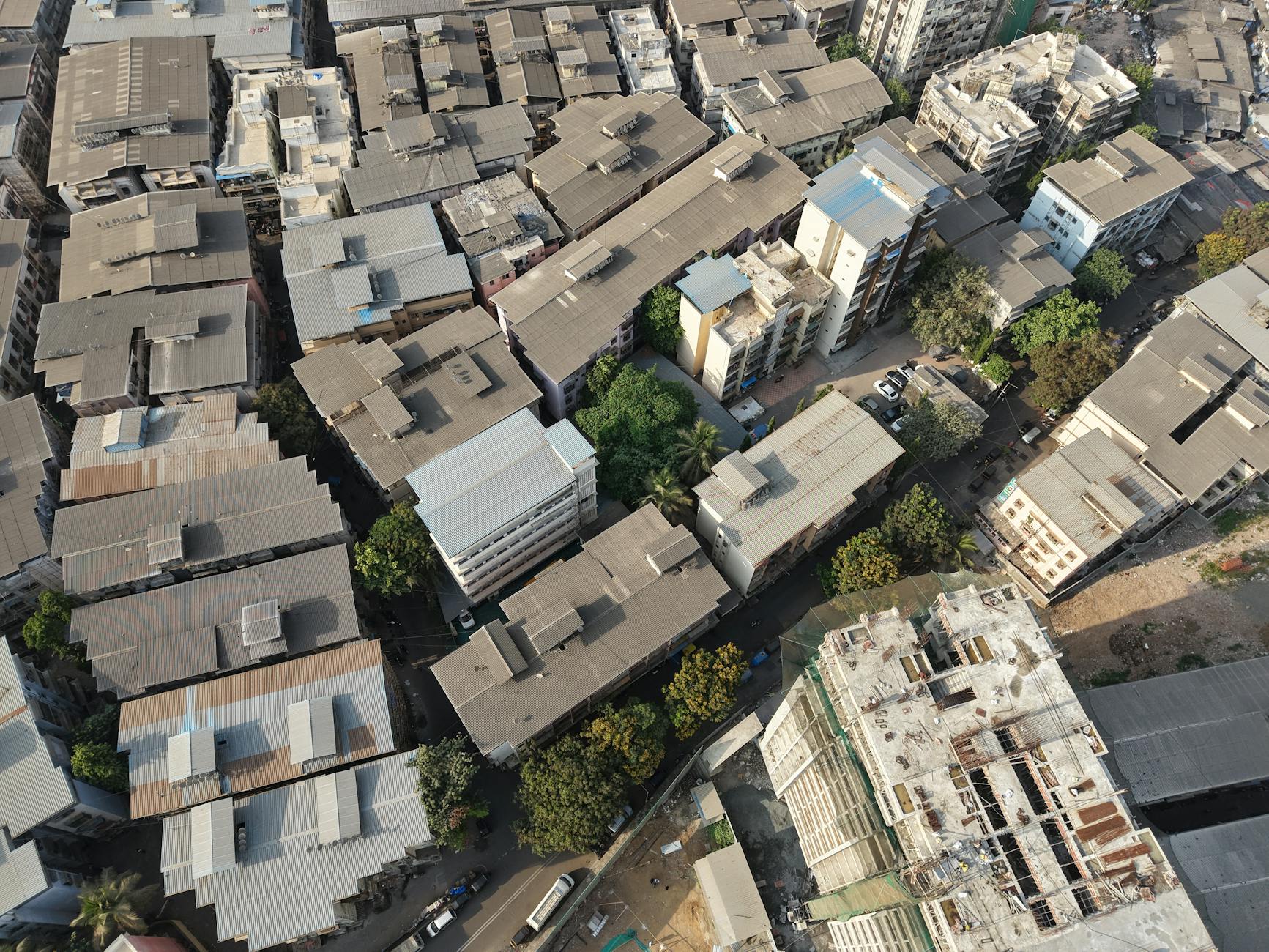
In India’s dense cities, you’ll encounter buildings called flats, chawls, and redevelopment projects. Though they all provide housing, they differ in ownership structure, legal status, cost, and living conditions. Understanding these distinctions helps buyers, renters, and investors make informed decisions.
1. Flats: Modern, Individual Ownership
A flat (also known as an apartment) is a unit in a multi‑storeyed building where each unit is owned separately. The owner possesses a title deed issued by the state government, and the building is governed by a village or municipal corporation building regulations and the RERA (Real Estate Regulator Act) 2016 which mandates transparent project details.
Key features:
- Title deed granted to individual owners.
- Separate floor plans, elevators, and sometimes housing utility cars.
- Maintenance handled by an Apartment Owners’ Association (AOA) or a property management company.
- Typical cost: ₹3,500–₹10,000 per square foot in metro cities (e.g., ₹8,500/sq ft for a 1200 sq ft unit in Mumbai’s Ghatkopar).
- Eligibility: Any individual or entity with a valid KYC, no specific income ceiling, but often requires proof of income, KYC, and a down‑payment of at least 20% of the purchase price.
Buying a flat is straightforward: verify the Regulation Certificate (RC), inspect the Occupancy Certificate (OC), and ensure the builder has a RERA registration number displayed on the site.
2. Chawls: Shared Accommodation, Collective Ownership
A chawl is a legacy of the British colonial era, typically a low‑cost, multi‑unit building with shared facilities such as toilets, kitchens, and common rooms. Ownership is usually collective: a group of families or a cooperative society owns the building and shares responsibilities.
Key features:
- No individual title deed; the property may be owned by a housing cooperative or a trust.
- Utilities (water, electricity) shared; rent or monthly charges cover common maintenance.
- Typical cost: ₹500–₹1,500 per square foot in cities like Pune and Nagpur.
- Eligibility: Varies by cooperative; often requires membership in the cooperative society, proof of income, and an application to the local municipal corporation.
- Legal status: While chawls often exist under municipal tenancy laws, they lack the robust legal documentation that flats have under RERA.
Residing in a chawl can be economical but comes with limited privacy and fewer amenities. Laws governing chawls are less stringent, so renters should carefully review the society’s bylaws and check for any pending legal disputes.
3. Redevelopment Projects: Transforming Old Landscapes
Until 2022, many old chawls and commercial plots in cities were gripped by redevelopment projects under the Redevelopment of Lands (Reorganisation of Urban Development Authorities) Act, 2016. A redevelopment project acquires land, demolishes existing structures, and rebuilds with modern flats, followed by selling or leasing the new units.
Key features:
- Acquisition: The government, through a municipal corporation or a dedicated Development Authority, acquires the land via a compulsorily acquisition order (CAO) under section 48 of the Indian Land Acquisition Act 2013.
- Compensation: Owners receive a percentage of market value plus a premium; homeowners of flats get a 50% premium on post‑rehabilitation market value, while chawl occupants get 10–15% of the reacquisition value.
- Rehabilitation: The state must provide a new flat or equivalent land, laid out per the Redevelopment Rules, 2019.
- After redevelopment, the new flats are sold under RERA, with the same compliances as regular builders.
- Typical cost of new units: ₹4,000–₹9,000 per square foot in a post‑redevelopment plot of 500 sq ft in Delhi.
For residents, redevelopment offers modern amenities and legal titles but can delay relocation and involves a complex legal process. The process includes an initial appraisal, public notice, dispute resolution, and a mandatory 12‑month rehabilitation period before a new building is approved.
4. How to Decide Which Option Suits You
Choosing between a flat, a chawl, or a redevelopment project depends on your budget, lifestyle, and risk tolerance.
- Budget: Flats are typically the most expensive but offer full ownership and privacy. Chawls are the cheapest but come with shared amenities. Redevelopment projects fall in between, often priced competitively after free land compensation.
- Lifestyle: If you desire a private kitchen, dedicated parking, and control over interior design, a flat is best. For community living and lower costs, a chawl is suitable. Redevelopment projects provide modern infrastructure but may require waiting for construction.
- Risk: Flats under RERA have a robust legal framework. Chawls lack this protection, making them vulnerable to disputes. Redevelopment carries legal and time risks but promises a renewed property.
5. Key Legal Documents You Must Examine
Whether buying a flat, renting a chawl, or waiting for redevelopment, always verify the following:
- Title Deed or Registration Certificate (RC) – confirms ownership.
- Occupancy Certificate (OC) – ensures the building is fit for habitation.
- RERA Registration Number – verifies builder compliance (displayed on the site).
- Quasi‑Legality Certificate (QCL) – for redevelopment sites, showing the source of funding.
- Compensation Agreement – for chawls involved in redevelopment, detailing the amount and mode of payment.
- Bylaws of the Cooperative Society – for chawls, outlining rights and obligations of residents.
Closing: Take Action Now
If you’re looking to buy or rent in 2026, map your budget, assess your lifestyle needs, and then run a quick check on the availability of RERA certificates and OC documents for flats, verify the cooperative bylaws for chawls, and explore any pending redevelopment orders in your city through the municipal portal (e.g., munich.org for Mumbai). This due diligence will save you time, money, and legal headaches.