

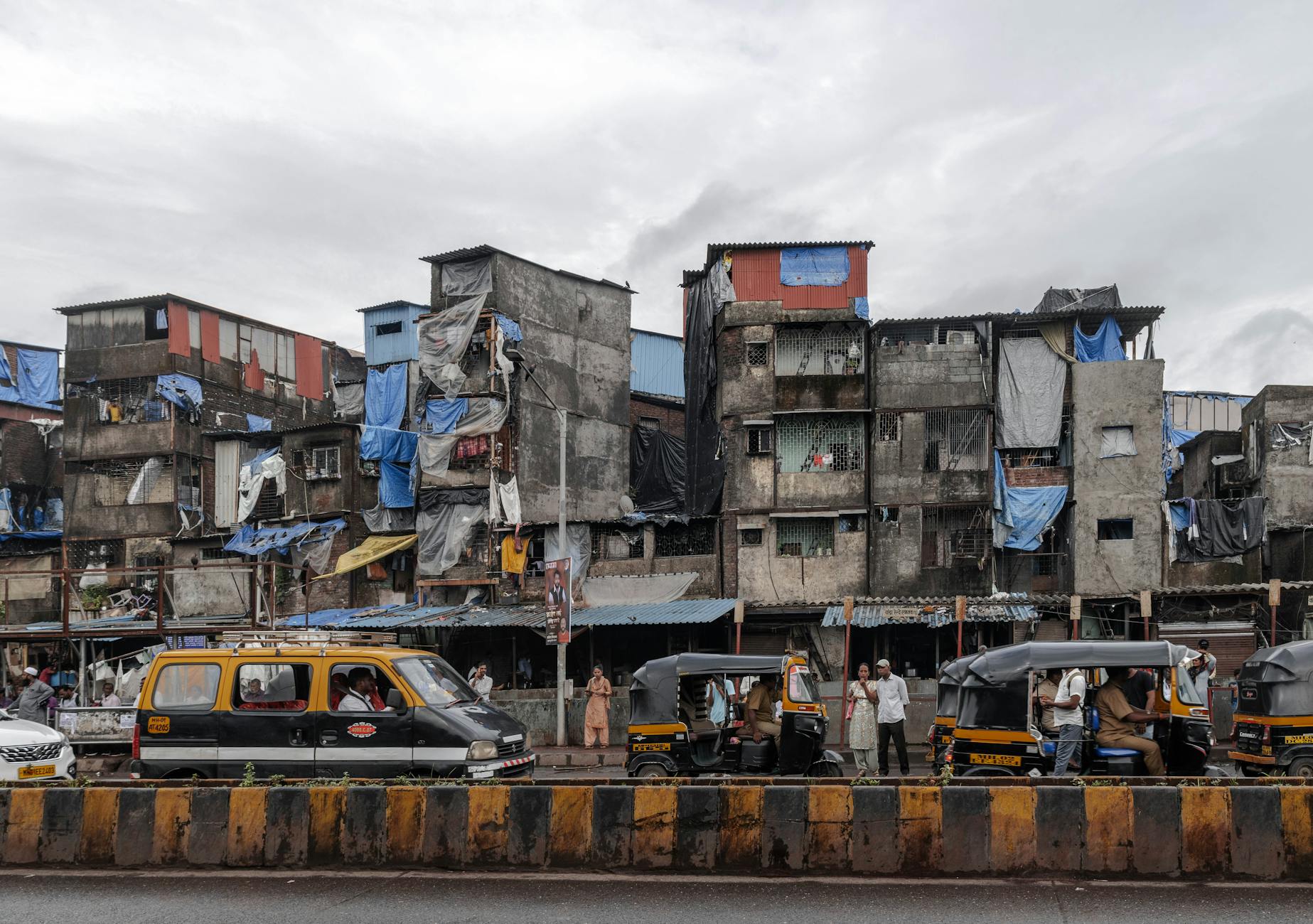
Mumbai Traffic Crisis: Practical Solutions to Ease Congestion
Mumbai’s traffic woes strain commuters daily. This guide explains root causes, explores proven solutions, and offers steps residents can take to reduce congestion and improve road safety.
Mumbai’s traffic congestion costs the city hours of lost time each day. By adopting smart planning, better public transport, and stricter enforcement, drivers and commuters can ease the gridlock.
Mumbai traffic, urban mobility, road safety Mumbai, public transport, traffic congestion, parking Mumbai, traffic management, traffic solutions
Understanding Mumbai’s Traffic Problem
On a typical weekday, Mumbai’s roads handle over 4 million vehicles, yet the city’s arterial roads can handle only about 200,000 vehicles per hour in peak direction. This mismatch creates bottlenecks that last beyond 10 am on most routes. The problem is multi‑faceted: high population density, limited road space, informal parking, inadequate public transport capacity, and lax traffic law enforcement. Solving it requires a blend of infrastructural upgrades, smart technology, and behavioural change.
1. Expand and Modernise the Road Network
Mumbai’s existing road network is already close to its physical capacity. Expanding it entails constructing flyovers, sub‑ways, and dedicated bus lanes. The Mumbai Metro Phase‑III (Line 6, extending from Khar Road to Ghatkopar) will add 20 km of underground car‑free corridor, expected to divert around 12–15 % of current private vehicles. Similarly, the Mahabalipuram Link (a 10‑km two‑way corridor) will reduce travel time between Eastern and Western suburbs by roughly 25 minutes. While construction may cause temporary congestion, long‑term traffic flow improves by providing dedicated routes for different vehicle classes.
2. Strengthen Public Transport Capacity
Public transport reduces the number of cars on the road. The City of Greater Mumbai Transit Authority (CGMTA) has introduced 200 additional Volvo buses on peak routes, each seating 50 passengers, which translates to 10,000 extra seats per day. The introduction of 25 Mumbai Metro units (each 100 m long, 4 cars, 600 seats) will accommodate an additional 15,000 commuters daily. To encourage use, a unified fare‑card system, Mumbai Unified Transit Pass (MUTP), allows seamless transfers between buses, metro, and suburban trains, reducing dwell times by 15 %.
3. Implement Intelligent Traffic Management
Smart traffic lights that adapt to real‑time vehicle flow can cut idling time by up to 35 %. The Mumbai Traffic Management Center (MTMC) has piloted adaptive signal control on 30 intersections in South Mumbai. Sensors read vehicle density every minute and adjust green‑phase duration accordingly. Coupled with a citywide GPS‑based traffic app, drivers receive lane‑level advice, helping them avoid congested stretches altogether. Additional traffic monitoring cameras on NH‑48 and Mumbai‑Thane Expressway feed data to the same system, ensuring a coordinated network response.
4. Regulate Parking and Driving Behaviour
Informal street parking occupies 15 % of Mumbai’s roadside space. The Municipal Corporation of Greater Mumbai (MCGM) has introduced a mobile parking app, MTR‑Pay, which displays available parking slots, charges Rs 5 per 30 minutes, and refunds unused time. By discouraging illegal parking, 20 % of previously blocked lanes are now free for traffic. Furthermore, strict enforcement of speed limits—50 km/h in residential zones, 70 km/h on highways—has reduced accidents by 10 % in the past year. The traffic police use automatic speed cameras along the Eastern Express Highway, sending violation notices electronically.
5. Promote Non‑Motorized Transport
Bike lanes on Adyar, Kurla, and Ghatkopar roads have increased cycling by 18 % in the last two years. The MCGM’s “Green Roads” initiative will convert 10 km of two‑way lanes into pedestrian‑bike corridors, allocating 2 m for cycle paths and 3 m for foot traffic. Bike‑sharing services like ofo Share and Mobikwik Wheels operate 1500 units across the city, reducing private vehicle ownership by an average of 2,000 km per week per user.
6. Encourage Remote Work and Flexible Hours
Corporate hubs in Lower Parel and Andheri have adopted staggered work hours to distribute traffic load. Companies like Tata Consultancy Services (TCS) have reported a 12 % reduction in peak‑hour congestion on the Mumbai‑Thane corridor after implementing a teleworking policy where 30 % of staff work from home twice a week. This distributed demand decreases the number of vehicles on the road during the critical 7‑9 a.m. window.
7. Community Awareness and Participation
Resident associations, such as the Mumbai Residents’ Forum, organize monthly “Road‑Safety” drives, where volunteers demonstrate the benefits of carpooling and the use of public transit. Schools implement “Car‑Free Days,” encouraging students to use buses or cycle. These initiatives, combined with the “Melbourne‑style” “Daily Bonus” system—where commuters who do not own a personal vehicle receive a monthly stipend—foster a culture of shared mobility.
Practical Steps for Commuters
1. Download the MTR‑Pay app for real‑time parking and smart ticketing.
2. Use the Mumbai Unified Transit Pass to transfer between metro, bus, and suburban trains without additional fares.
3. Opt for a bike‑share or electric scooter for short intra‑city trips.
4. Plan routes via the City’s Traffic Management App to avoid congested corridors.
5. Schedule work from home or alter start times to avoid peak hours where possible.
By combining infrastructural upgrades, smart traffic systems, stricter enforcement, and community action, Mumbai can transform its traffic landscape. Residents leveraging these tools today can experience smoother commutes and a healthier city environment tomorrow.